After Oasis
“The year is 2135. America's strung out in a global nuclear war, and the world's uranium reserves have finally dried up.
You are a Nuclear Recovery Agent. Your mission is to explore a long abandoned Cold War research facility where scientists encountered a supernatural entity, and to secure the caches of uranium left behind. We don't know what to expect. Best of luck.
Welcome to the Oasis.”
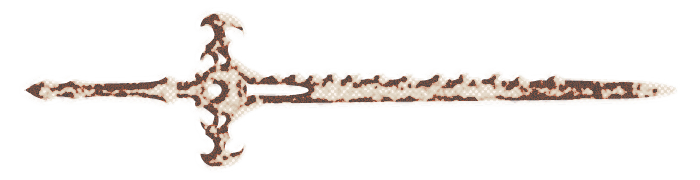
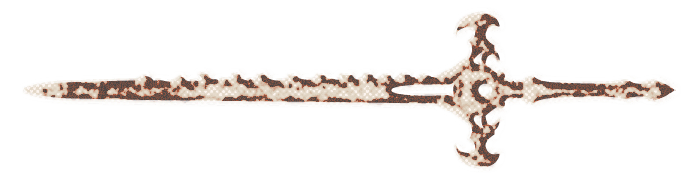
After Oasis is a point-and-click puzzle game combined with an interactive, choice-based narrative. It was created as a part of The Eye Jam II, and I worked on the UI/UX design, pixel art assets, and logo, and played a vital role in the general visual direction.
Software used: Figma, Aseprite, Adobe Illustrator, Unity
Duration: 1 week
-
We used the first day of the jam to decide on the general narrative, themes, style, and genre of our game. We quickly landed on the idea of a point-and-click puzzle game, a resonable choice for our time frame, as well as a medium that would highlight the talents of our team. This led to my first task: how would the narrative be presented to the players?
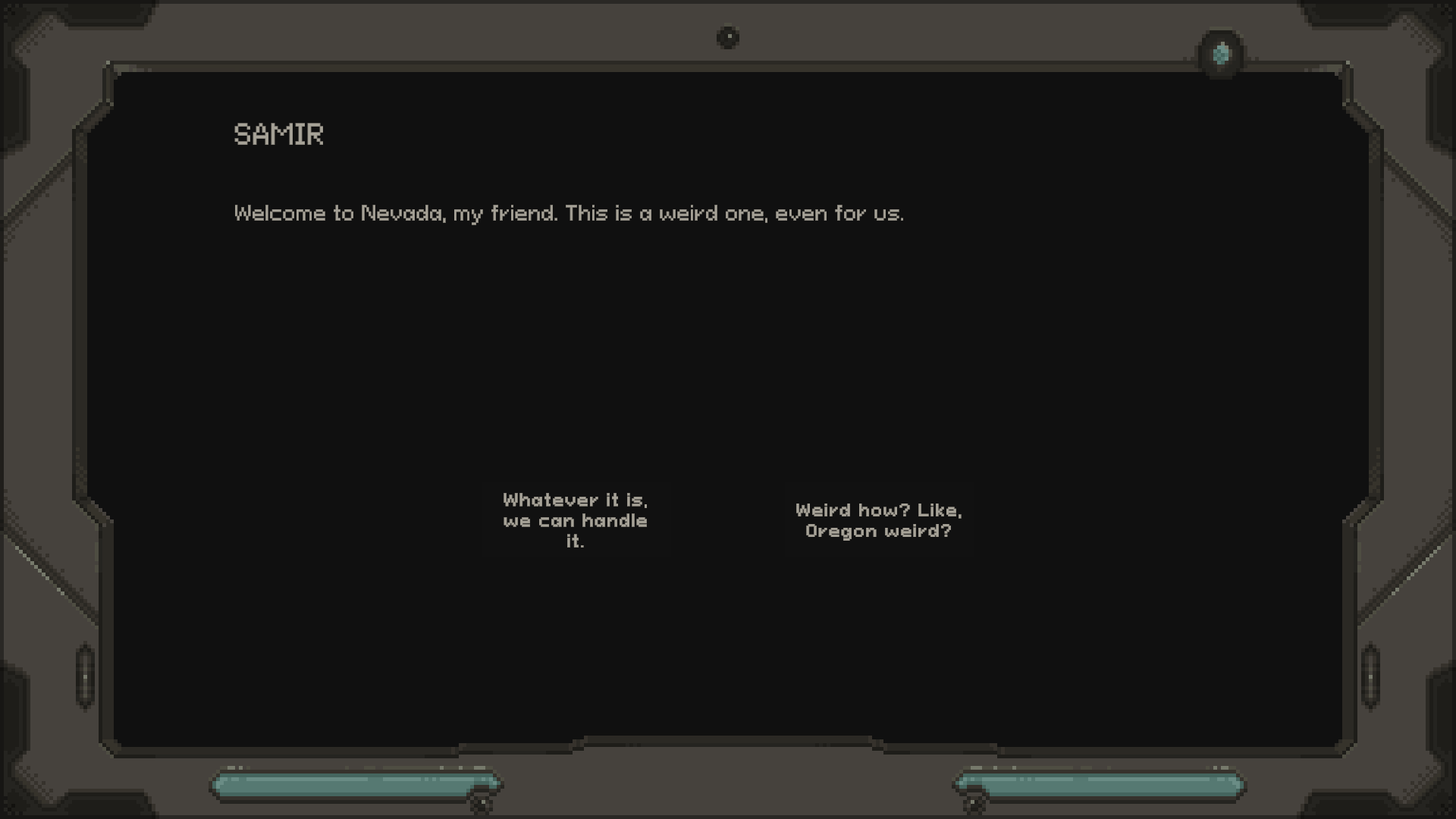
Because we wanted a strong narrative to be central to the game, I looked towards visual novels as a way to deliver the story. I created several wireframes of possible layouts, before ultimately deciding on a style inspired by Japanese visual novels of the 1990s, featuring decorative borders. Since we limited the main art to the point-and-click puzzle scenes, I created a diegetic border inspired by the government equipment our protagonist is carrying. This keeps the border relatively simple, as to not distract from the central narrative, while also increasing player immersion and keeping the screen visually interesting at all times.
Two prototype flows of the narrative sections of the game.
-
Next came figuring out the point-and-click puzzle sections of our game. We decided that each puzzle would resolve with the player figuring out a 3 digit code, with the numbers discovered by clicking on various elements in the scene. This brought up two questions: how would players collect clues, and how would players know where to click?
To answer question one, I designed a “files" folder, where numbers from the clues would appear, letting players know what key information is. This appears on the screen as a tab in the bottom right corner, as to not obstruct the artwork of the scene, but remains distinct enough to guide players to intuitively click on it. Clicking on this tab allows players to rearrange the numbers from the clues they collect to figure out the code, which they can input into a diegetic keypad interface when they click on the “cache" the story instructs them to collect.
To answer question two, the cursor switches into a finger icon when the player hovers over something clickable, lettings the players explore the scene naturally, while alerting them when they find something of notice, rather than leaving them clicking aimlessly should they get stuck.
Prototype flow of the point-and-click sections of the game.
-
I played a large role in defining the visual aesthetics of our world. As our main artist specialized in pixel art, we quickly decided that would be the direction we went with After Oasis as well. We had several key features that needed defining characteristics: the environment, the technology, and the way the theme of “decay" appeared in our story - calcification.
For the environment, I wanted natural colors, taking sandy shades from the desert, and muted grays for the government research base and equipment. In contrast to this, the central element of the story — the uranium — has a teal hue, signaling to the player that it doesn't belong. This ties into the appearance of the victims of calcification that the player encounters, victims of a supernatural entity located at the research base who have been preserved since the Cold War in a state of undecay. For their appearance, we looked towards the casts of the victims of Pompeii, using whites as the primary color, while bringing in the uranium teal, coral, and yellow to add the element of the supernatural.
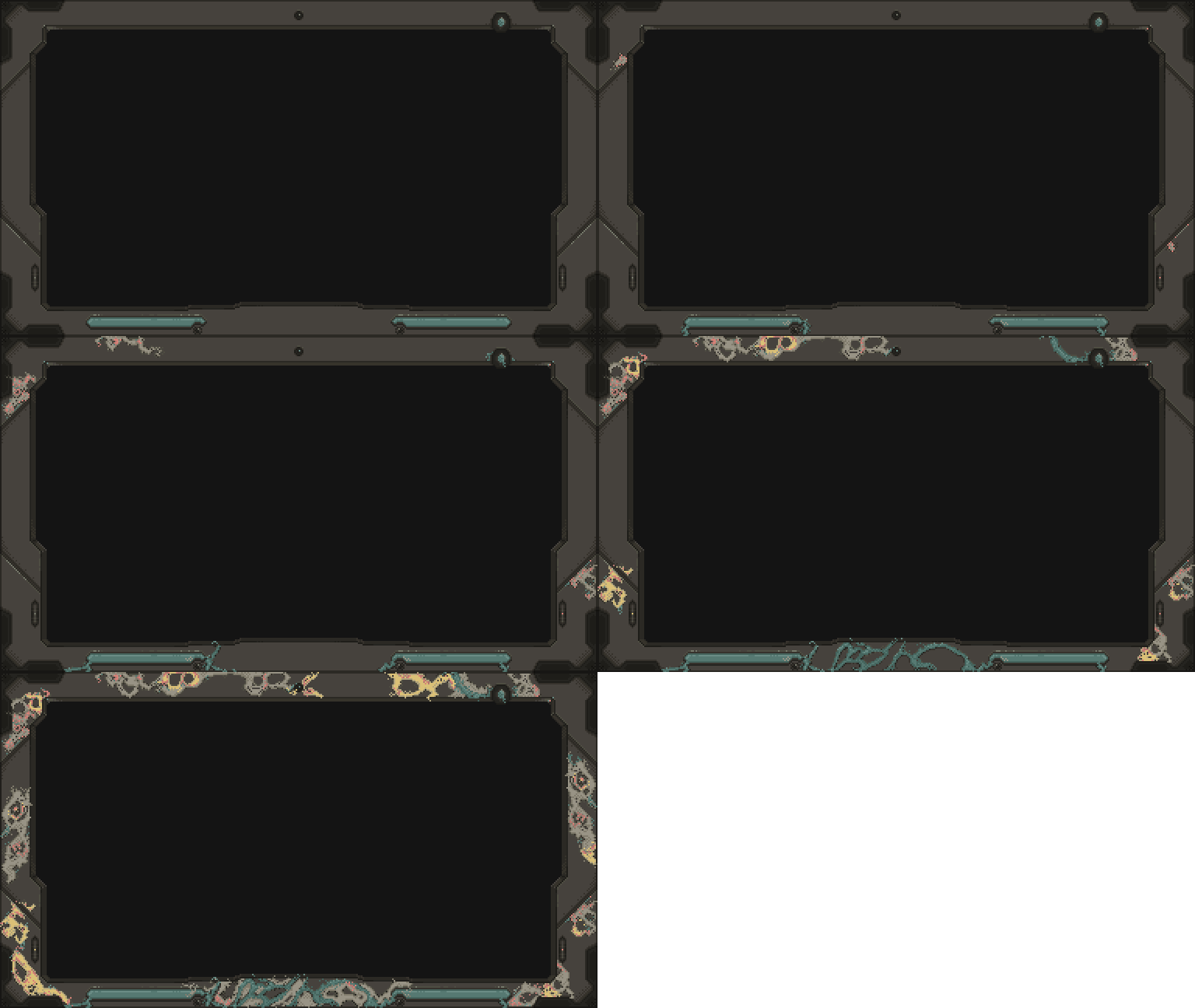
When it came time for me to design the border representing the protagonist's device, I looked towards tactical military equipment, as our protagonist is a government agent deployed on a field mission. I wanted the border to feel futuristic, but also bulky rather than giving it the sleek appearance often associated with the tech of the future. I used dark colors, while adding some of the teal color prevalent in the game, giving the impression that it is being powered by uranium as well. As the game progresses, the border was conceptualized to evolve, reacting to the entity located nearby, and undergoing its own decay.
Moodboard depicting several visual inspirations. (None of the images featured belong to me. All credit is given to their owners)
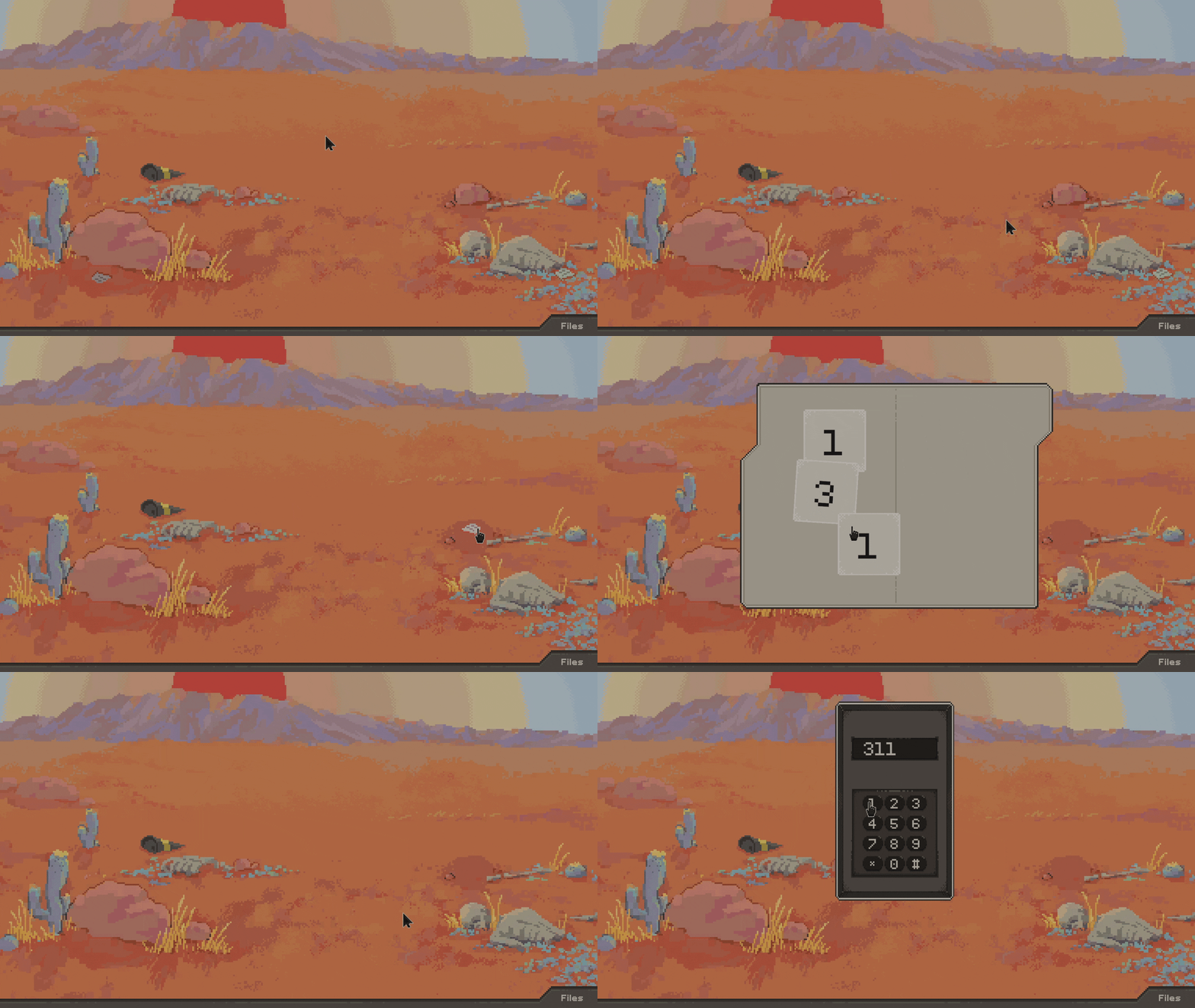

The first point-and-click scene. I created the cursor, folder assets, keypad assets, and files tab asset.
Screenshot from the narrative sections
The stages of the border undergoing decay
Border startup animation
-
So what did I ultimately learn from the production of After Oasis? First and foremost, this was my first time taking part in a proper game jam, and I thoroughly enjoyed the experience. Our game ended up placing 12th amongst 165 entries, and I'm proud of the amount of effort that both myself and the rest of my team put into our work. While at first it was a challenge to have to force myself to look past the strive for complete perfection, I really came to appreciate how beautiful it is that a group of people can come together and birth art with so much passion. Ultimately, my main learning experiences can be summarized into the following:
Time management and task prioritization: Due to only having one week to produce the game, it was vital that we worked within our limits to ensure that we were able to have a final playable experience by the deadline. It was easy for me to get swept up in coming up with new, flashy ideas that would improve the polish of the game, but I quickly learned that I needed to focus on the bigger picture first. Locking down the core player experience came first, and only then could it be iterated on and improved.
Communication and team synergy: Our team was comprised of people from all different backgrounds with their own unique skillsets, none of whom I had previously worked with before. What I believe led our team to be so successful was our ability to identify what we each brought to the table, and then work both independently to develop our own pieces and collaboratively to piece them together into a cohesive picture. It was important that I understood where my tasks fit into the development timeline, as I needed to make sure that my assets and ideas were finished with adequate time left for them to be implemented, something only achievable with proper communication with my peers.
Creativity and adaptation: One of my favorite parts of the design process is brainstorming and exploring even the wildest ideas. This experience continued to show me the importance of self advocacy and putting your ideas out there, which can end up becoming central to the identity of the game, even if they might seem over the top at first. I believe that one of my biggest strengths is my adaptability, and through this experience, I continued to learn how to mold my style to mesh with the artists and the rest of the team, and I allowed my work to function as the glue that helped to bring cohesion to the game. My work on this project helped me to further understand the importance of using my own creativity to help bolster and uplift the unique ideas and skills of others.
All in all, I had a wonderful experience, and I would most certainly be willing to participate in game jams again in the future.